6-cylinder Turbocharged Diesel Engines: Best view
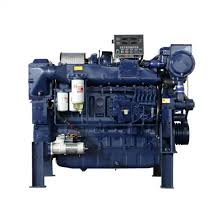
6-cylinder Turbocharged Diesel Engines: The Best Guide
The 6-cylinder turbocharged diesel engine is a powerhouse of versatility, combining the efficiency and torque of diesel with the added boost of turbocharging. This configuration has become a staple in industries ranging from transportation to agriculture, thanks to its ability to deliver high performance under demanding conditions. Whether on highways, off-road terrains, or marine environments, these engines are engineered to handle heavy loads while maintaining fuel efficiency and reliability. In this guide, we’ll explore their applications across various sectors, discuss their advantages and disadvantages, and provide insights into maintenance and future trends.
II. On-Highway Applications: 6-cylinder turbocharged diesel engines
Semi-Trucks: Long-Haul Transport
- Role:
6-cylinder turbocharged diesel engines are the backbone of the trucking industry, powering semi-trucks that transport goods across long distances. Their robust design ensures consistent performance even under heavy loads. - Key Features:
- High torque output for climbing hills and maintaining speed on highways.
- Turbocharging enhances power without sacrificing fuel economy.
- Compliance with emissions standards like Euro 6 and EPA regulations.
Heavy-Duty Pickups: Towing and Hauling
- Role:
These engines are commonly found in heavy-duty pickup trucks used for towing trailers, boats, and construction equipment. Brands like Ford (Power Stroke), Chevrolet (Duramax), and Ram (Cummins) dominate this segment. - Key Features:
- Exceptional towing capacity due to superior low-end torque.
- Turbocharging improves responsiveness during acceleration.
- Advanced cooling systems to prevent overheating during prolonged use.
Buses and Coaches: Public Transportation
- Role:
City buses, intercity coaches, and school buses rely on 6-cylinder turbo diesels for their durability and efficiency. These engines ensure smooth operation over extended periods, even in stop-and-go traffic. - Key Features:
- Low noise and vibration levels for passenger comfort.
- Fuel-efficient designs to reduce operating costs for fleet operators.
- Emission control technologies to meet urban environmental standards.
III. Off-Highway Applications
Construction: Bulldozers, Excavators, Cranes
- Role:
In the construction industry, 6-cylinder turbocharged diesel engines power heavy machinery like bulldozers, excavators, and cranes. These engines thrive in rugged environments where reliability and raw power are paramount. - Key Features:
- Reinforced components to withstand extreme stress and vibrations.
- Turbocharging provides additional horsepower for digging, lifting, and hauling tasks.
- Modular designs allow for easy repairs and part replacements on-site.
Agriculture: Tractors, Harvesters
- Role:
Farmers depend on these engines to operate tractors, combine harvesters, and irrigation pumps. They must endure long hours of continuous operation in varying weather conditions. - Key Features:
- High torque at low RPMs for pulling plows and other attachments.
- Turbocharging increases productivity by delivering more power when needed.
- Fuel-efficient designs to minimize operational costs for farmers.
Mining: Haul Trucks, Drills
- Role:
Mining operations require engines capable of handling massive payloads and harsh conditions. 6-cylinder turbocharged diesels are ideal for powering haul trucks, drills, and conveyor systems. - Key Features:
- Extreme durability to operate in dusty, rocky, and remote locations.
- Turbocharging boosts power for moving heavy materials efficiently.
- Enhanced cooling systems to cope with intense heat generated during mining activities.
Forestry: Skidders, Feller Bunchers
- Role:
Forestry equipment such as skidders and feller bunchers benefit from the strength and endurance of 6-cylinder turbo diesels. These machines work in challenging terrains, cutting and transporting timber. - Key Features:
- High torque for dragging logs and operating hydraulic systems.
- Turbocharging ensures consistent power delivery in uneven terrain.
- Corrosion-resistant materials to combat exposure to moisture and debris.
IV. Marine Applications: 6-cylinder turbocharged diesel engines
Commercial Fishing Vessels
- Role:
Commercial fishing vessels rely on these engines for propulsion and onboard power. They must be durable enough to handle saltwater corrosion and rough seas. - Key Features:
- Turbocharging improves fuel efficiency for long voyages.
- Compact designs maximize space for storage and crew quarters.
- Anti-corrosion coatings extend engine life in marine environments.
Pleasure Craft
- Role:
Luxury yachts and recreational boats often use 6-cylinder turbocharged diesel engines for their smooth operation and quiet performance. - Key Features:
- Reduced noise and vibration for enhanced passenger comfort.
- Turbocharging allows for higher speeds while maintaining fuel economy.
- Integration with advanced navigation and entertainment systems.
Cargo Ships
- Role:
Cargo ships utilize these engines for main propulsion and auxiliary power generation. Their ability to run continuously for weeks makes them indispensable in global trade. - Key Features:
- Massive torque output for propelling large vessels.
- Turbocharging optimizes fuel consumption for cost-effective operations.
- Compliance with international maritime emission standards.
V. Power Generation: 6-cylinder turbocharged diesel engine
- Role:
6-cylinder turbocharged diesel engines are widely used in generators for backup power, remote locations, and industrial facilities. They provide reliable electricity during emergencies or in areas without grid access. - Key Features:
- High power density for compact generator designs.
- Turbocharging enhances efficiency, reducing fuel consumption.
- Low emissions to comply with environmental regulations.
VI. Military Applications: 6-cylinder turbocharged diesel engine
- Role:
Military vehicles, including tanks, armored personnel carriers, and troop transports, rely on these engines for their ruggedness and adaptability. They must perform reliably in extreme conditions, from deserts to arctic zones. - Key Features:
- Turbocharging ensures peak performance in high-altitude or low-oxygen environments.
- Durability to withstand battlefield stresses and prolonged use.
- Stealth capabilities with reduced noise and thermal signatures.
VII. Advantages and Disadvantages of Each Application
VIII. Maintenance Considerations for Each Application
- On-Highway: Regular oil changes, air filter replacements, and exhaust system checks. Monitor DEF (Diesel Exhaust Fluid) levels for emissions compliance.
- Off-Highway: Inspect hydraulic systems, clean radiators frequently, and replace filters regularly to prevent dust-related damage.
- Marine: Flush engines after saltwater exposure, inspect cooling systems, and apply anti-corrosive treatments.
- Power Generation: Conduct routine load testing, check fuel quality, and service alternators and starters periodically.
- Military: Perform rigorous inspections before deployments, focus on cooling systems, and stock spare parts for quick repairs.
IX. Future Trends for Each Application: 6-cylinder turbocharged diesel engines
- On-Highway: Adoption of hybrid and electric drivetrains alongside traditional diesels. Increased focus on autonomous driving technologies.
- Off-Highway: Integration of IoT sensors for predictive maintenance and telematics. Development of cleaner-burning biofuels.
- Marine: Transition to hybrid propulsion systems and hydrogen fuel cells. Stricter emission controls for commercial fleets.
- Power Generation: Growth in renewable energy hybrids (solar-diesel, wind-diesel). Use of AI for optimizing generator performance.
- Military: Development of lightweight materials and electrified drivetrains for stealth and mobility. Focus on alternative fuels like synthetic diesel.
FAQs: 6-cylinder turbocharged diesel engines
Basics and General Information
- What is a 6-cylinder turbocharged diesel engine?
A 6-cylinder turbocharged diesel engine is an internal combustion engine with six cylinders arranged in a straight or V-configuration. It uses compression ignition to burn diesel fuel, while a turbocharger increases airflow for enhanced power and efficiency. - How does a turbocharger work in a diesel engine?
The turbocharger compresses incoming air, forcing more oxygen into the combustion chamber. This improves fuel combustion, boosting power output and efficiency. - What are the advantages of a 6-cylinder diesel engine over a 4-cylinder?
A 6-cylinder engine provides smoother operation, higher torque, and better performance under heavy loads compared to a 4-cylinder engine. - Why are diesel engines more fuel-efficient than gasoline engines?
Diesel engines have higher compression ratios and use fuel with higher energy density, resulting in better fuel economy. - What is the typical lifespan of a 6-cylinder turbocharged diesel engine?
With proper maintenance, these engines can last 500,000+ miles , making them ideal for long-term use.
Applications and Industries
- What industries commonly use 6-cylinder turbocharged diesel engines?
These engines are widely used in trucking, construction, agriculture, marine, and power generation industries. - Are 6-cylinder turbodiesels suitable for towing?
Yes, their high torque output and turbocharging make them excellent for towing heavy loads, such as trailers, boats, and RVs. - Can these engines be used in passenger vehicles?
Yes, some luxury SUVs and pickup trucks, like the Ford F-250 and Ram 2500, use 6-cylinder turbocharged diesel engines for their power and efficiency. - What role do these engines play in marine applications?
They are used in commercial fishing vessels, pleasure craft, and cargo ships for propulsion and auxiliary power due to their reliability and efficiency. - Are these engines used in power generators?
Yes, they are commonly used in backup generators and industrial power systems for their durability and consistent performance.
Performance and Efficiency
- How much horsepower do 6-cylinder turbocharged diesel engines typically produce?
Output varies by model but typically ranges from 200 to 600 horsepower , depending on the application. - What is the torque range of these engines?
Torque can range from 500 to 1,500 lb-ft , making them ideal for heavy-duty tasks. - Do turbochargers improve fuel economy?
Yes, turbochargers optimize combustion, improving fuel efficiency while increasing power output. - What is Common Rail Direct Injection (CRDI)?
CRDI is a fuel injection system that delivers precise amounts of fuel at high pressure, ensuring cleaner combustion and smoother operation. - How do emission control systems work in these engines?
Systems like DPF (Diesel Particulate Filter), SCR (Selective Catalytic Reduction), and EGR (Exhaust Gas Recirculation) reduce harmful emissions to meet environmental regulations.
Maintenance and Troubleshooting
- How often should I change the oil in a 6-cylinder turbodiesel?
Oil changes are recommended every 5,000–10,000 miles , depending on usage and manufacturer guidelines. - What are common signs of turbocharger failure?
Symptoms include loss of power, excessive smoke, unusual noises, and increased oil consumption. - How can I prevent overheating in my diesel engine?
Regularly inspect the cooling system, flush coolant annually, and ensure the radiator and water pump are functioning properly. - What causes black smoke in a diesel engine?
Black smoke usually indicates incomplete combustion, often caused by clogged injectors, faulty turbochargers, or poor-quality fuel. - How do I troubleshoot sensor failures?
Use an OBD-II scanner to identify fault codes. Replace faulty sensors like MAF (Mass Airflow Sensor) or MAP (Manifold Absolute Pressure Sensor).
Buying and Ownership
- What should I look for when buying a used 6-cylinder turbodiesel engine?
Check service records, perform a compression test, inspect for leaks or corrosion, and test-run the engine for unusual noises. - Are used diesel engines reliable?
Yes, if they have been well-maintained and come with documented service history. - How much does a new 6-cylinder turbocharged diesel engine cost?
Prices vary by brand and application but typically range from \$10,000 to \$50,000+ . - Where can I find replacement parts for these engines?
Parts are available through authorized dealers, online retailers, and aftermarket suppliers. Always prioritize quality over cost. - What are the pros and cons of hybrid diesel systems?
Pros: Improved fuel efficiency, reduced emissions, and quieter operation.
Cons: Higher upfront costs and potential complexity in repairs.
X. Conclusion: The Indispensable Workhorse
The 6-cylinder turbocharged diesel engine stands as an indispensable workhorse across countless industries. Its unmatched combination of power, efficiency, and durability ensures it remains a cornerstone of modern engineering. From powering semi-trucks on highways to propelling cargo ships across oceans, these engines continue to evolve, adapting to new challenges and opportunities. By understanding their applications, advantages, and maintenance needs, users can maximize their potential and prepare for the innovations shaping the future. Truly, the 6-cylinder turbocharged diesel engine is a testament to human ingenuity and resilience—a force that will drive progress for decades to come.


Comments
Post a Comment